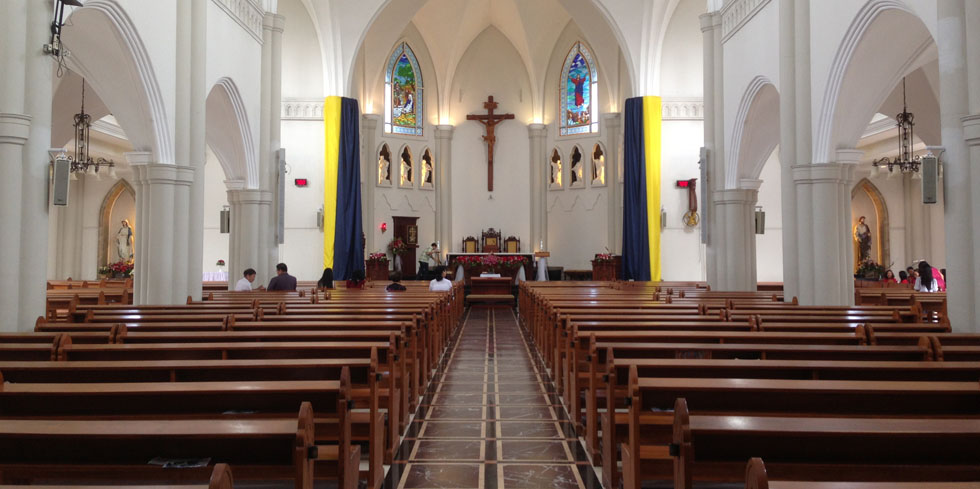

Welcome to City Light Ecclesia- A Beacon of Hope and Faith. At our heart, we’re a community deeply rooted in the love and teachings of Christ. As part of the Christian & Missionary Alliance, we are committed to spreading the message of God’s love and serving those in need.
Discover the warmth and fellowship of our church. Join us in our services, mission endeavors, and community outreach programs. We’re dedicated to illuminating the path of spiritual growth and compassion, guiding you towards a fulfilling Christian life.
Our Posts
- How Churches Are Using Social Media to Get Noticed

Reaching Beyond the Pews
Today, social media isn’t just for businesses or influencers — it’s for everyone with a message. Churches, too, have realized that to connect with modern audiences, they must meet people where they are: online. Whether it’s livestreaming sermons, posting daily inspiration, or creating community through digital conversation, churches are learning that social media is one of the most powerful outreach tools of our time.
Why Churches Are Turning to Social Media
For decades, church outreach meant word-of-mouth, newsletters, or community bulletins. But as our communication habits shifted, so did outreach strategy.
- People spend more time online than anywhere else. The average person checks their phone dozens of times a day, scrolling through feeds for connection and information.
- Younger generations live on social media. For Gen Z and Millennials, Instagram, TikTok, and YouTube are the new public square — and the church needs to show up there.
- It allows churches to stay visible all week. Sunday mornings are no longer the only time to connect. Churches now post short devotionals, share event clips, and even pray with followers via livestream.
The shift isn’t just about “promotion.” It’s about staying relevant, relatable, and accessible in a digital culture.
Building Digital Communities of Faith
Churches are learning to treat social media not as a billboard, but as a community hub.
- Facebook groups become modern versions of fellowship halls, where members share prayer requests or volunteer updates.
- Instagram stories capture the life of the congregation — from worship photos to community outreach snapshots.
- YouTube channels broadcast sermons to people who can’t attend in person.
The goal is simple: to make faith and connection available wherever people are.
Borrowing from Modern Marketing — Without Losing the Message
While the message of the church hasn’t changed, the methods have. Churches are now borrowing smart strategies from the business world to get noticed — but with heart and purpose behind them.
For instance, the article 8 Tips for Effective Social Media Marketing shares timeless advice about defining your audience, posting quality content, and staying consistent. These same ideas help churches grow their online presence. A well-defined audience might mean local families, college students, or seniors looking for community — and tailoring posts to their needs can make outreach far more effective.
Another useful guide, Social Media Marketing Tips Every Salon Should Follow, may seem unrelated to churches at first, but its insights on visual storytelling apply perfectly. Just as salons use before-and-after photos, churches can showcase “transformation moments” — baptisms, mission trips, or community service events — through engaging visuals that inspire emotion and participation.
Finally, Unique Ways to Promote Your Business in 2023 offers creative approaches like collaboration and local partnerships. Churches can easily adapt these ideas — partnering with local food drives, schools, or small businesses, and featuring these partnerships online. It not only builds visibility but also strengthens the sense of shared purpose in the community.
Real-World Examples
- A small church in Texas gained hundreds of followers after launching a weekly “Faith in 60 Seconds” TikTok series — short videos that tackled questions about life and hope.
- In California, a youth ministry built a thriving online group by sharing “behind-the-scenes” posts from mission trips and worship rehearsals.
- A church in Florida used Instagram Live prayer sessions during the pandemic, connecting people who hadn’t been to church in years.
These examples show that people are craving authenticity and community — two things churches naturally provide.
The Do’s and Don’ts of Church Social Media
Do:
- Post consistently (even simple photos or quotes keep your page active).
- Use storytelling — share what your church is doing for others.
- Engage with comments and messages; treat it like real conversation.
- Celebrate people — birthdays, volunteers, milestones.
Don’t:
- Over-promote or only post about events. Balance inspiration with information.
- Ignore visuals. Even a quick smartphone video adds warmth and life.
- Forget your mission. Every post should reflect compassion, connection, and community.
Measuring What Matters
Getting noticed online isn’t about chasing likes or followers — it’s about building genuine relationships. Churches can measure success by:
- How many people engage (comment, message, or attend).
- Whether new visitors say they found the church online.
- How much conversation and sharing their posts generate.
Even small digital wins — a thoughtful comment, a shared devotional — mean your message is reaching hearts.
The Future of Faith Online
As the line between digital and physical life continues to blur, the future of church outreach will include more livestreams, podcasts, and interactive content. The goal isn’t to replace in-person worship but to extend the reach of faith beyond the four walls of a building.
Social media lets churches shine a light into corners of the world that would otherwise never see it. In doing so, they remind us that connection, compassion, and community aren’t bound by time or place — only by the willingness to share them.
- How to Become a Certified Preacher, Minister, or Church Leader

Answering the Call to Serve
For many people, the decision to become a minister or preacher isn’t just a career choice—it’s a calling. Whether you want to lead a congregation, perform weddings and funerals, or simply serve your community through faith, becoming a certified preacher or ordained minister is a structured process that blends spiritual commitment with legal recognition.
Step 1: Clarify Your Purpose
Before starting, reflect deeply on your reason for pursuing ministry. Ask yourself:
- Do I feel called to serve through preaching, counseling, or leadership?
- Am I seeking ordination for personal faith, or to perform ceremonies legally?
- Which denomination or faith tradition best aligns with my beliefs?
Your answers will guide what type of certification or ordination you should pursue.
Step 2: Choose a Denomination or Path
Different denominations have different requirements. For example:
- Mainline Churches (Baptist, Methodist, Catholic, Lutheran): Usually require formal seminary education and church sponsorship.
- Non-Denominational or Independent Ministries: Often have flexible paths and may accept online ordination combined with practical ministry work.
- Faith-Based Organizations or Chaplaincy: May require theological training plus certification through recognized bodies like the Association of Professional Chaplains.
If you want to be a local community preacher or officiate weddings, an independent ministry ordination may be enough. But if you want to pastor a congregation or work in a structured church system, you’ll likely need theological training and approval from a denominational board.
Step 3: Get the Education or Training

Most certified ministers complete at least some form of study. Options include:
- Seminary or Bible College: Two to four years of formal theological education.
- Online Ministry Training: Accredited programs such as Christian Leaders Institute, Global University, or Liberty University’s online seminary.
- Local Church Mentorship: Many smaller churches offer internal leadership programs to train future preachers.
You’ll learn biblical studies, leadership, counseling, public speaking, and church administration.
Step 4: Apply for Ordination or Certification
Once trained, you can apply for ordination (to perform religious duties) or ministerial certification (to recognize you as a faith leader). Requirements vary, but generally include:
- A written statement of faith.
- References from other church leaders.
- Completion of required coursework or exams.
- Sometimes a background check or ministry interview.
Universal Life Church – Get Ordained Online (free, immediate ordination) ulc.org
American Marriage Ministries – Free Online Ordination American Marriage Ministries
Alternative Licensing Alternative Teacher Certification
Independent online organizations—such as Universal Life Church or American Fellowship Church—offer quick ordinations for those who want to legally officiate weddings or funerals.
Step 5: Register with the State (If Needed)
Some U.S. states require ministers to register before performing marriages or other ceremonies. Usually, you’ll provide:
- Proof of ordination or certification.
- Identification and contact information.
- A small registration fee (if required by county).
It’s best to contact your county clerk’s office to confirm local rules.
Step 6: Start Your Ministry Work
Once ordained, you can begin serving your community:
- Preach or teach in a church.
- Perform weddings, baptisms, and funerals.
- Offer counseling or spiritual support.
- Start an independent ministry or outreach group.
You can also continue your education, earn higher theological credentials, or seek official pastoral licensing for larger roles.
Step 7: Continue Growing Spiritually and Professionally
Ministry is a lifelong journey. Many preachers attend continuing education workshops, online ministry summits, or leadership retreats to strengthen their faith and skills. Staying humble, learning from mentors, and serving with compassion are the best ways to honor your calling.
Final Thoughts
Becoming a certified preacher or minister doesn’t happen overnight—it’s a blend of preparation, purpose, and heart. Whether you serve a small local congregation or an online ministry, your role is to uplift others, guide them through faith, and lead with integrity.
- Christian Conventions & Trade Shows: Building Faith & Community Through Strategic Presence

Christian conventions and trade shows offer more than just booths and banners—they are powerful opportunities for ministries, publishers, nonprofits, and faith-based businesses to connect, grow, and glorify God. When paired with thoughtful strategy and digital tools, your presence at these events can extend far beyond the floor of the convention center.
Why Christian Conventions & Trade Shows Matter
- Outreach & Evangelism: These gatherings draw people from diverse backgrounds—church leaders, volunteers, vendors, authors, ministries—creating fertile ground for sharing the Gospel and building relationships.
- Partnerships: Faith-based organizations often meet like-minded collaborators—publishers, ministries, suppliers—who can help expand outreach and impact.
- Brand & Mission Visibility: Having an impactful booth with clear messaging and engaging design helps communicate your mission, values, and offerings in a crowded space.
Using Digital Tools to Amplify Your Convention Presence
- Pre-Show Digital Marketing
Build anticipation and attendance by creating landing pages, using email campaigns, and promoting your event participation via social media. Clear information about what you’ll offer (e.g. giveaways, special sessions) helps draw people in. - Interactive Technology On Site
Incorporate QR codes for easy resource downloads; use digital signage and displays to communicate your message dynamically; let attendees sign up on tablets or kiosks to stay connected post-convention. - Live Streaming & Virtual Access
Not everyone can be there in person. Live-streaming parts of your booth presentations, seminars, or panels allows a wider audience to engage. This also generates content you can repurpose. Resi’s guide on “How Churches Can Use Event Live Streaming for Outreach” offers good insight into doing this well. Resi - Follow-Up & Lead Nurturing
Collect contact information at the booth (digital forms, business cards), then use email automation, CRM tools, and personalized content to follow up. The impact of trade show presence is often determined by what happens after exhibit hours.
Best Practices: What Christian Exhibitors Do Well

- Design with Purpose: Visually coherent booths, clear messaging about faith mission and services, and friendly staff who can articulate ministry goals well. Lifeway’s custom trade show booth is a compelling example of design + ministry combined. Britteninc
- Theme & Branding Aligned with Culture: Choosing a theme that resonates, matching visuals, and showing consistency in materials and messaging help build trust.
- Inclusive Engagement: Use workshops, prayer corners, testimony spaces, or small group gatherings to meet people’s emotional, spiritual, and communal needs.
- Promoting Widely: Use social media, church networks, and collaboration with other ministries to get word out to congregations and communities. Posts like “7 Ways to Promote Your Church Outreach Event Online” offer practical tips. OurChurch.Com
How TradeShowMall.com Can Help
At TradeShowMall.com, we specialize in helping Christian organizations and ministries build booth experiences that do more than just look good—they engage, equip, and evangelize. Whether you need custom booth design, layout consulting, printed materials, or digital signage, we offer services that bridge physical presence with digital impact.
Two Extra Resources to Explore
- 12 Steps to Plan Your Church Conference — a guide that breaks down how churches can plan purposeful, well-branded, and well-attended conventions.
- Skyrocket Your Book Marketing by Attending a Trade Show — an article showing how Christian authors and publishers use trade shows like the Christian Products Expo to market their work, network, and reach new readers.
Christian conventions and trade shows are more than events—they’re launchpads. With intentional design, digital tools, and strong follow-through, your presence can leave a lasting legacy in hearts, minds, and communities.
- Young Voices, Digital Platforms, and the Call to Care for God’s Creation
Introduction
Scripture tells us in Genesis 2:15 that humanity was placed in the garden “to work it and take care of it.” Caring for creation is not simply an option; it is a calling from God. In today’s world, that calling is being embraced by a surprising new generation of leaders — young people using digital platforms like TikTok to speak out about climate change, justice, and stewardship.

A Digital Witness for Creation
Environmental journalism site Atmos recently highlighted how young activists are using TikTok not just for entertainment, but as a stage for urgent conversations about climate crisis and environmental justice. Their efforts remind us that God can use even modern technology as a vessel for truth and witness.
The Courage of Youth
From planting trees to sharing eco-friendly practices, youth-led movements are spreading messages of responsibility and care. The site Animal Agriculture and Climate Change described how young people have “weaponized TikTok” — not with violence, but with creativity and conviction — to draw attention to the urgent need for environmental stewardship.
This courage reflects Paul’s words to Timothy: “Don’t let anyone look down on you because you are young, but set an example for the believers” (1 Timothy 4:12). Indeed, these young voices are setting an example for us all in caring for God’s creation.
Building Communities of Hope
Even mainstream media has taken notice. In The Know profiled the EcoTok collective, a group of creators who joined forces to amplify messages of sustainability. Their story demonstrates the power of fellowship and shared mission — values that mirror the Christian call to community, service, and collective witness.
Faith in Action
As Christians, we are called to be salt and light in the world. When we see young people using their voices to protect the Earth, it is an invitation for us to reflect: How are we living out our stewardship? How can we join in the mission of protecting creation as an expression of God’s love?
Conclusion
From Scripture to social media, the message is clear: creation is a gift entrusted to us, and we are called to care for it. Young activists on platforms like TikTok are showing courage and creativity in answering that call. As a church, may we encourage and support them, while recommitting ourselves to live faithfully as stewards of God’s beautiful world.
- Faith, Healing, and the Modern Role of CBD Gummies

Throughout history, religion has always been intertwined with healing. From the use of herbs in ancient texts to the emphasis on fasting, prayer, and meditation, faith traditions have long recognized the importance of caring for the body as a vessel for the spirit. In today’s world, that conversation continues in new ways—with people exploring natural remedies like CBD gummies as part of their wellness routines.
🌿 Healing in Religious Traditions
Almost every major faith tradition connects spirituality with health:
- Christianity often refers to the body as a temple, encouraging believers to treat it with respect and care.
- Judaism emphasizes pikuach nefesh—the preservation of life and health as a sacred duty.
- Islam values moderation and cleanliness, with guidance on maintaining both spiritual and physical well-being.
- Buddhism and Hinduism highlight balance, meditation, and natural remedies as ways of aligning the body with the mind and spirit.
Across cultures, the message is clear: wellness is not separate from faith—it’s an essential part of it.
🍬 CBD Gummies in the Modern Wellness Landscape
CBD gummies represent a modern tool within this timeless framework. They are simple, approachable, and designed to support balance within the body. Unlike THC, CBD is non-intoxicating—it does not produce a “high.” Instead, it works with the body’s endocannabinoid system, which helps regulate mood, sleep, and overall wellness.
For many people, CBD gummies are:
- A way to manage stress and calm the mind.
- A support for better sleep, which restores energy for prayer, study, or community service.
- A method to ease aches, allowing the body to remain active and healthy.
✝️ Faith, Discernment, and Trust
Religion also teaches discernment: the ability to separate what is good and true from what is false. This principle applies directly to the CBD world. Not all products are trustworthy. Some lack lab testing, while others make exaggerated claims.
For those who value both faith and wellness, choosing verified CBD gummies matters. It reflects the same principles taught in scripture—truth, honesty, and integrity. Just as a spiritual life is built on authentic practice, a wellness routine should be built on products that are transparent and reliable.
🧘 The Spiritual Dimension of Calm
Another connection between religion and CBD gummies is the role of calm. In nearly every tradition, quieting the mind is seen as a path to greater understanding of the divine—whether through prayer, meditation, or silence.
For some, CBD gummies provide a gentle, natural support to reach that state of calm. They don’t replace spiritual practices, but they can make it easier to engage in them. A rested body, a peaceful mind, and a balanced system all support deeper spiritual focus.
🌸 A Holistic Approach to Body and Spirit

Faith communities today are increasingly open to the idea that wellness and spirituality are not separate categories. Instead, they overlap. Using CBD gummies as part of a balanced routine doesn’t conflict with faith—it can complement it.
- For the believer, prayer nurtures the soul.
- For the body, CBD gummies may nurture balance and ease.
- Together, they create a more holistic approach to living well.
For those interested in exploring CBD gummies further—whether for stress, sleep, or general wellness—resources, reviews, and educational guides can be found at CBD Gummies 300 mg.com.
🌿 Final Thoughts
Religion has always pointed us toward healing, balance, and truth. In today’s wellness landscape, CBD gummies fit into that tradition as a natural, non-intoxicating way to support the body and mind.
Faith encourages us to care for our health, to seek balance, and to live with integrity. Verified, lab-tested CBD gummies align with those values by offering a trustworthy option in a crowded market.
- The Catholic Church and Cannabis: Tradition Meets Modern Debate
As cannabis becomes increasingly legalized and mainstream, many people are asking where faith traditions stand on its use. For Catholics, the conversation is shaped by centuries of moral teaching, the Church’s stance on health and dignity, and evolving discussions about medical and recreational use.
Historical Context: Hemp in Everyday Life
Hemp has been cultivated for thousands of years, often used for rope, paper, and textiles. The Catholic Church never condemned hemp as a crop, since it served practical purposes and posed no moral concerns. In fact, hemp-based paper was used for Bibles and church documents in earlier centuries.
The question of cannabis use arises more directly with smoking or ingesting it for recreational or medical purposes.
The Church’s Moral Framework
The Catholic Church’s teaching on substances is guided by principles of:
- Human dignity: Each person is called to respect their body as a temple of the Holy Spirit.
- Prudence and moderation: Using substances to the point of impairment is discouraged.
- Avoiding scandal or harm: Actions that risk leading others to dangerous behavior are seen as morally problematic.
These principles have traditionally shaped the Church’s approach to alcohol, tobacco, and now cannabis.
Medical Use of Cannabis
When it comes to medicine, the Church generally supports the responsible use of treatments that can reduce suffering. The Catechism of the Catholic Church (2291) states that using drugs for therapeutic reasons is acceptable, but using them for mere pleasure or escape is a “grave offense.”
Because of this, many Catholic thinkers and clergy recognize the value of medical cannabis in treating pain, nausea, seizures, or chronic illness—so long as it’s used under proper medical supervision. This aligns with the Church’s broader mission of caring for the sick and alleviating suffering.
Recreational Use: The Cautionary View

On recreational cannabis, the Church’s stance is more cautious. The Vatican has warned that drug use—even if legal—can impair judgment, encourage escapism, and harm spiritual growth. In a 2014 address, Pope Francis said:
“Drug use is a wound, it is a social wound and a family wound… Attempts, however limited, to legalize so-called ‘recreational drugs’ are not only highly questionable from a legislative standpoint, but they fail to produce the desired effects.”
This reflects a general opposition to cannabis for recreation, similar to the Church’s caution around drunkenness with alcohol.
Hemp and Sustainability
Interestingly, the Church has been supportive of environmental sustainability and responsible farming—values Pope Francis emphasized in Laudato Si’. Hemp, as a sustainable crop with uses in paper, textiles, and even eco-friendly construction, aligns with these goals. While not a spiritual endorsement, the Church often encourages industries that respect creation and reduce waste.
Where Things Stand Today
- Medical cannabis: Generally accepted if used ethically and under guidance.
- Recreational cannabis: Strongly discouraged, with warnings about addiction and moral harm.
- Hemp as a resource: Viewed positively as a sustainable plant with industrial benefits.
As more countries legalize cannabis, Catholic leaders continue to emphasize discernment: What matters most is how its use affects health, dignity, and responsibility toward God, self, and others.
Final Thoughts
The Catholic Church’s perspective on cannabis is not a simple yes or no. While medical use can be a tool for healing, recreational use is largely rejected. Hemp itself remains valued as a resource, especially in light of environmental stewardship.
For Catholics, the key is asking whether cannabis use—like any action—draws one closer to God and love of neighbor, or whether it risks harm, escapism, or neglect of one’s spiritual life.
- What the Bible Means by Submissive Wife
Many Christians struggle with Ephesians 5:22-24, which instructs wives to submit to their husbands. Unfortunately, many misinterpret this verse as meaning women must ignore their thoughts and do what is told of them – something not found anywhere else in scripture that protects Christian wives or reflects God’s character who calls us all to sacrifice for each other.
Understanding what the bible means by “submissive wife” requires understanding its definition as one which exhibits both love and humility. Submitting does not equate to becoming subservient or giving up power – instead it involves showing great courage and strength by prioritizing your spouse’s needs over your own. Submissiveness also allows one to see the bigger picture so wise decisions can be made.
Supporting and respecting the decisions your husband makes (even when they conflict with yours) are qualities which demonstrate love and respect, along with submission to his spiritual and physical leadership. By showing this act of love and submission you demonstrate both his love and yours by willingly letting him lead your home – much like how Christ loved the church by giving himself up for her; similarly in our marriages we should strive to emulate his example in love, respect, and submission.
What Doesn’t Submissive Mean? A submissive wife does not allow her husband to abuse her physically, emotionally, or mentally in any form as this is against God and our spouse’s will. Any type of physical, emotional, or mental abuse should never be acceptable – if this is happening to you please seek professional help immediately. Also she does not change who they are just to please her husband but out of respect and love for him knowing this is God’s will for their relationship.
Submissive wives don’t compromise their faith to please their husbands; rather, they focus on obeying God and glorifying Him by obeying his commands and serving Him faithfully. This beautiful quality shows that your husband’s opinions of you don’t overshadow God’s opinion of you.
Strong women make excellent submissive wives, which you should feel proud to display with pride. God has granted each daughter this great honor of becoming submissive wives – it can be done beautifully and gracefully with love and grace! Simply stay focused on Jesus as your Lord, follow His path faithfully, and your marriage will bring Him glory! God bless! *Note: this article was initially published in July 2022. Since November 7th 2023 it has been updated and revised accordingly.
- Bible Verse on Forgiveness in Marriage
Forgiveness is a critical aspect of healthy relationships. Unfortunately, however, it’s often hard to do and couples may experience difficulty practicing it within their marriages. Luckily, Scripture contains numerous verses on forgiveness which provide guidance for living by it.
Conflict and misunderstandings are inevitable during the early years of marriage. Although unpleasant, they provide an opportunity for husbands and wives to strengthen their bond by cultivating deep yet forgiving love that helps avoid future arguments while instead moving forward in a loving way.
As Christians, forgiving one another should come naturally – just as it did for Jesus. Just as He forgave our sins, so must we forgive others likewise. According to Scripture (Matthew 6:14-15), those who refuse to forgive will not receive God’s forgiveness (forgiveness is God’s command and should apply in every relationship – including marriage).
Thomas Edison famously spent 24 hours creating one light bulb, then gave it to one of his young assistants to carry up the stairs. But while carrying it up the stairs he became nervous as the bulb was precious and did not want it dropped on the ground and broke; after some sadness passed by he decided to try again with new bulbs.
After several attempts, he finally succeeded and sent his bulb off to be assembled by lab technicians; two days later, they assembled it all in his presence at a bar nearby. To show his appreciation for all their help, he purchased round for everyone at that particular bar – as an expression of thanks.
Forgiveness is a cornerstone of Christian living because it reveals God’s character. Furthermore, forgiveness allows people to draw closer to Him by releasing any pent-up resentment or bitterness that might exist between partners; marriages also benefit greatly as partners find peace through forgiveness. But forgiveness is challenging and sometimes hard to remember its value.
In this article, we will look at several biblical verses regarding forgiveness in marriage and provide guidance for anyone looking to implement these strategies in their relationships.
1 Peter 3:7 exhorts husbands to live in harmony with their wives in an understanding manner, honoring her as the weaker vessel and sharing in God’s grace of life so as not to hinder your prayers. Forgiveness is key in building strong, healthy marriages – yet sometimes it seems impossible! Applying this principle requires effort and time – hopefully this article will encourage you to implement this principle and witness its rewarding results for yourself!
- Bible Verse For Forgiveness And Repentance Kjv
Forgiveness is an integral component of our relationship with both God and one another, so when someone wrongs us it’s essential that we forgive them without holding onto any grudges from their transgression. While practicing forgiveness can be challenging, its essential for spiritual health and our relationships. To become part of the family of God we must learn daily to practice it – these bible verses for forgiveness and repentance in KJV can inspire you to forgive yourself as well as others.
Repentance is given great emphasis in the Bible. It is seen as the cornerstone of salvation and should lead to Divine mercy and forgiveness, whereas Scripture also describes repentance as an act that leads to complete submission to His will and ways.
Paul wrote in the New Testament of how God’s grace can lead to repentance and faith in Jesus Christ, writing: “God is faithful and will not allow you to be tempted beyond your capacity; rather He will provide ways of escape so you may withstand it.”
Repent means to change one’s mind or reconsider one’s decisions; it can be either a verb or an action. Jesus called upon His followers to repent of their unbelief in Him and believe instead in Him for forgiveness and eternal life – this is true conversion: “Whoever therefore shall confess that he has received God’s gift, being born of him, is truly of him; whether Jews or Gentiles alike we have all been purchased with a price by him and are today manifest as children of God through him who converted us all”
Through scripture, it’s also clear that repentance and forgiveness go hand-in-hand. Jesus explained this relationship in Luke 13:3, where He stated his mission of seeking and saving that which had been lost.” Additionally, James 2:19 asserts: “Doest Thou despiser His Riches of Goodness Forbearance and Longsufferance? Turn away from Forgiving,and Ye Shall Reap More Abundance.”
Forgiveness is crucial because it enables us to return peace with God and His glory rather than dwelling on past wrongdoings and any associated pain. These bible verses on forgiveness and repentance can keep you on the right path as you work toward reconciling with both Him and others, starting today! To start off your study experience right, download our free mobile, desktop, and web bible app: you’ll get Bible reading plans, commentaries, Bible Word Study tools – so you can dig deep into scripture anywhere, anytime! Get it today; it will become indispensable!
- How Hemp Was Used in Biblical Times
Hemp is not explicitly mentioned in the Bible, but some scholars believe that it may be indirectly referenced. The plant has been associated with the ancient Near East and Middle East, and archaeological evidence suggests its use in various forms, such as hemp rope and cloth. While the specific use of hemp in biblical times is not clearly documented, some interpretations point to its possible presence in the Old Testament, particularly in references to “kaneh bosm” or “kaneh” in Hebrew, which some argue could be linked to cannabis or hemp. However, these interpretations are subject to debate and are not universally accepted. Therefore, while the Bible does not directly mention hemp, some indirect references and scholarly interpretations have been proposed regarding its potential use in ancient times[1][2][3].
Citations:
[1] https://wamaunderwear.com/blogs/news/where-is-hemp-mentioned-in-the-bible-copy
[2] https://www.linkedin.com/pulse/hempcannabis-use-throughout-bible-justin-benton
[3] https://www.resetera.com/threads/was-weed-used-during-biblical-times-was-weed-mentioned-in-the-bible.245821/Cultivation
Hemp is an ancient crop cultivated for its seeds, fibers and medicinal uses since antiquity. The hemp seed provides high levels of nutrition while its fibers outshone cotton or sisal in terms of strength. Furthermore, hemp boasts long strong roots perfect for use in rope manufacturing or coarse fabrics such as fabric.
Hemp paper production costs more than paper made from wood pulp because the innermost fibers must first be removed before the cellulose can be utilized for papermaking. On the plus side, hemp fibers are less vulnerable to degradation caused by water or chemicals used for tree-based pulp processing.
Hemp was once an essential crop as a fiber source, before cotton and synthetic fibers came along. It was used for many applications such as sails on ships, rope for sailors, Conestoga wagon covers and much more. Hemp became one of the staple fibers until World War II when farmers were encouraged to grow hemp for cordage use against imported Manila hemp from Japan.
Uses

The Bible describes hemp as an adaptable plant, used for food, medicine and fuel. Hemp provides protein and lipids as well as essential vitamins A-F. Additionally, its seeds are abundant with omega-3 fatty acids as well as essential minerals like iron and zinc. Even one of our elders uses this hemp and CBD cream for the numbness in his hands. Hemp has long been revered as an ancient sacred herb. Its incense, known as Kaneh, was mentioned in The Song of Songs and used both in fumigation rituals and as part of anointing oil applied to heal sick persons or reward the righteous.
Exodus 30:22-29 has long been understood to refer to cannabis (Cannabis sativa). But closer examination of Hebrew indicates another meaning for this word – sweet calamus from Araceae family of perennial plants7
Conclusions
Hemp has long been an important crop in biblical times for rope production as well as clothing, canvas bags and paper production. Hemp was mentioned several times in the Bible, with marijuana described as both a plant and not an illicit drug, with various purposes and applications mentioned for its consumption.