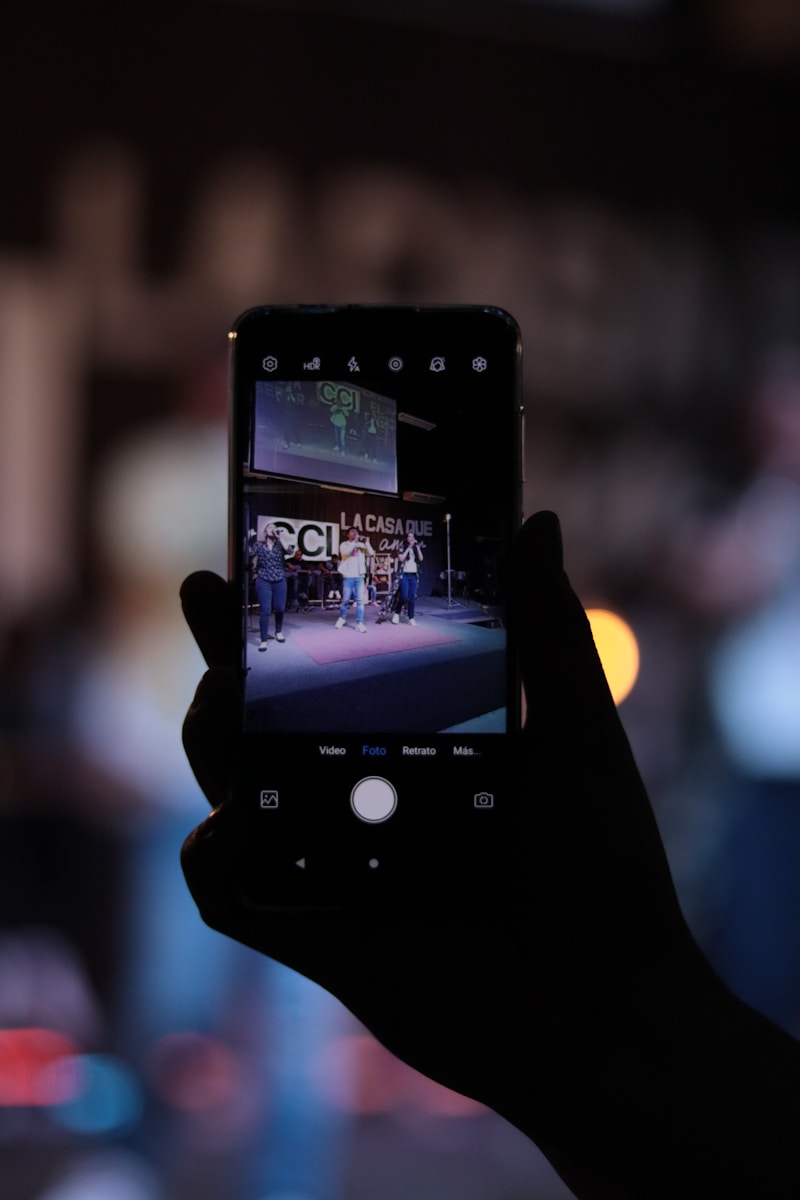
Reaching Beyond the Pews
Today, social media isn’t just for businesses or influencers — it’s for everyone with a message. Churches, too, have realized that to connect with modern audiences, they must meet people where they are: online. Whether it’s livestreaming sermons, posting daily inspiration, or creating community through digital conversation, churches are learning that social media is one of the most powerful outreach tools of our time.
Why Churches Are Turning to Social Media
For decades, church outreach meant word-of-mouth, newsletters, or community bulletins. But as our communication habits shifted, so did outreach strategy.
- People spend more time online than anywhere else. The average person checks their phone dozens of times a day, scrolling through feeds for connection and information.
- Younger generations live on social media. For Gen Z and Millennials, Instagram, TikTok, and YouTube are the new public square — and the church needs to show up there.
- It allows churches to stay visible all week. Sunday mornings are no longer the only time to connect. Churches now post short devotionals, share event clips, and even pray with followers via livestream.
The shift isn’t just about “promotion.” It’s about staying relevant, relatable, and accessible in a digital culture.
Building Digital Communities of Faith
Churches are learning to treat social media not as a billboard, but as a community hub.
- Facebook groups become modern versions of fellowship halls, where members share prayer requests or volunteer updates.
- Instagram stories capture the life of the congregation — from worship photos to community outreach snapshots.
- YouTube channels broadcast sermons to people who can’t attend in person.
The goal is simple: to make faith and connection available wherever people are.
Borrowing from Modern Marketing — Without Losing the Message
While the message of the church hasn’t changed, the methods have. Churches are now borrowing smart strategies from the business world to get noticed — but with heart and purpose behind them.
For instance, the article 8 Tips for Effective Social Media Marketing shares timeless advice about defining your audience, posting quality content, and staying consistent. These same ideas help churches grow their online presence. A well-defined audience might mean local families, college students, or seniors looking for community — and tailoring posts to their needs can make outreach far more effective.
Another useful guide, Social Media Marketing Tips Every Salon Should Follow, may seem unrelated to churches at first, but its insights on visual storytelling apply perfectly. Just as salons use before-and-after photos, churches can showcase “transformation moments” — baptisms, mission trips, or community service events — through engaging visuals that inspire emotion and participation.
Finally, Unique Ways to Promote Your Business in 2023 offers creative approaches like collaboration and local partnerships. Churches can easily adapt these ideas — partnering with local food drives, schools, or small businesses, and featuring these partnerships online. It not only builds visibility but also strengthens the sense of shared purpose in the community.
Real-World Examples
- A small church in Texas gained hundreds of followers after launching a weekly “Faith in 60 Seconds” TikTok series — short videos that tackled questions about life and hope.
- In California, a youth ministry built a thriving online group by sharing “behind-the-scenes” posts from mission trips and worship rehearsals.
- A church in Florida used Instagram Live prayer sessions during the pandemic, connecting people who hadn’t been to church in years.
These examples show that people are craving authenticity and community — two things churches naturally provide.
The Do’s and Don’ts of Church Social Media
Do:
- Post consistently (even simple photos or quotes keep your page active).
- Use storytelling — share what your church is doing for others.
- Engage with comments and messages; treat it like real conversation.
- Celebrate people — birthdays, volunteers, milestones.
Don’t:
- Over-promote or only post about events. Balance inspiration with information.
- Ignore visuals. Even a quick smartphone video adds warmth and life.
- Forget your mission. Every post should reflect compassion, connection, and community.
Measuring What Matters
Getting noticed online isn’t about chasing likes or followers — it’s about building genuine relationships. Churches can measure success by:
- How many people engage (comment, message, or attend).
- Whether new visitors say they found the church online.
- How much conversation and sharing their posts generate.
Even small digital wins — a thoughtful comment, a shared devotional — mean your message is reaching hearts.
The Future of Faith Online
As the line between digital and physical life continues to blur, the future of church outreach will include more livestreams, podcasts, and interactive content. The goal isn’t to replace in-person worship but to extend the reach of faith beyond the four walls of a building.
Social media lets churches shine a light into corners of the world that would otherwise never see it. In doing so, they remind us that connection, compassion, and community aren’t bound by time or place — only by the willingness to share them.